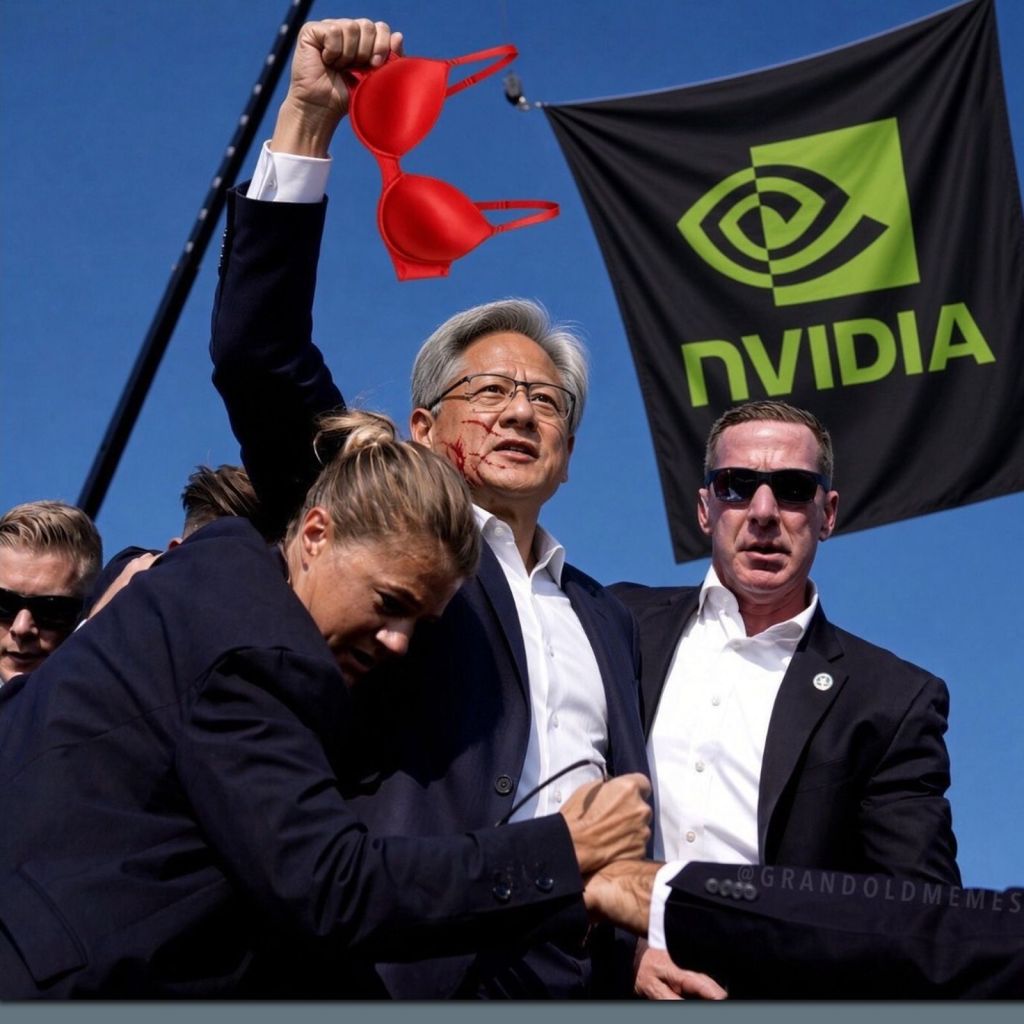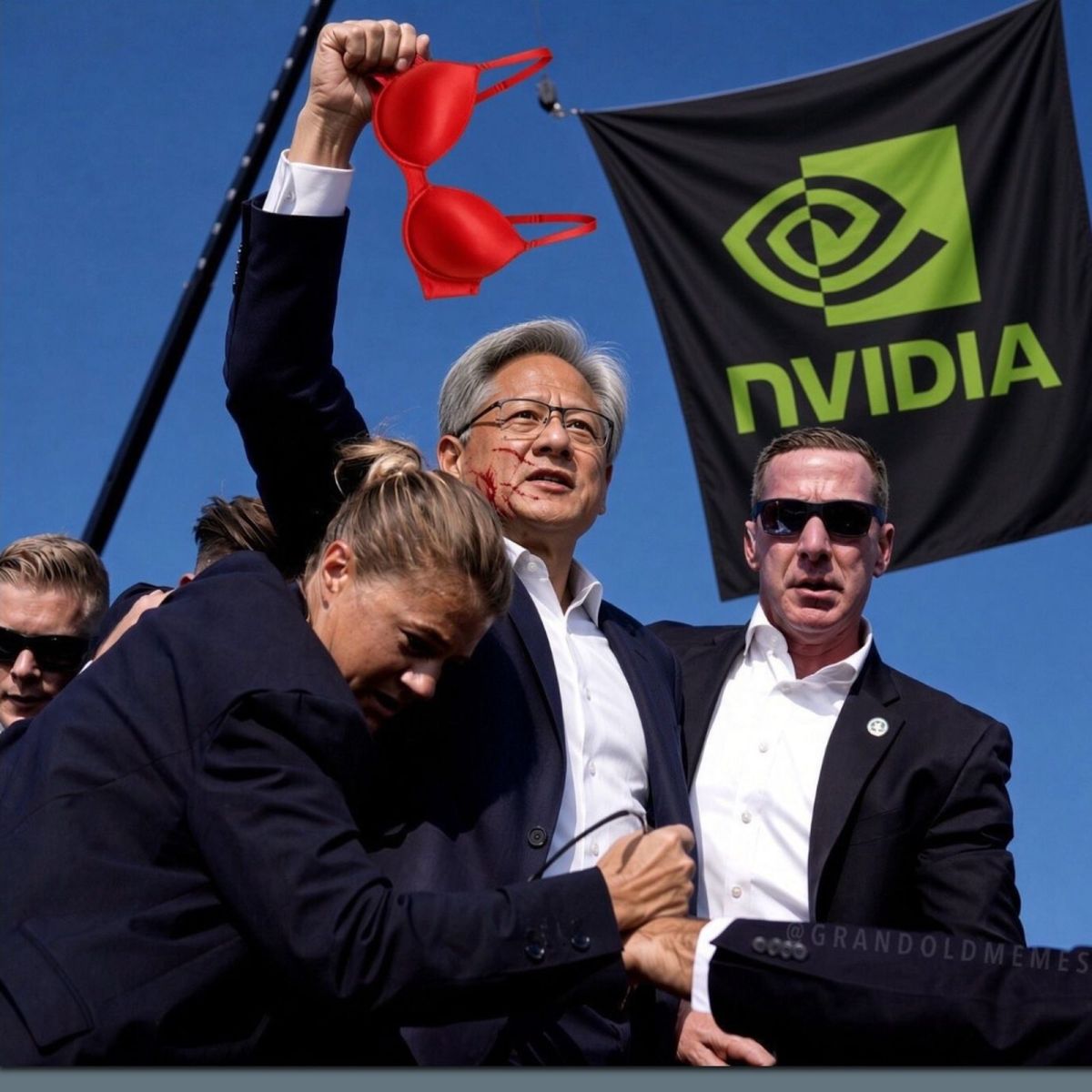
Jensen Huang. There are corporate governance issues to answer here, however when your stock price falls by a third, those questions appear inconvenient.
So, let’s take a quick look at the conceptual arguments between open and closed sourced AI models. Nvidia argue critically for open source; Anthropic et al, for fundamentally proprietary reasons, argue for closed source.
Open-weight and open-source models are essential for broad innovation, AI safety, and avoiding vendor lock-in, rather than viewing closed frontier models as a replacement for open ecosystems.
Core Pillars of Huang’s Open-Model Argument.
Safety Through Transparency: In his July 2026 policy letter “Open Weights and American AI Leadership,” Huang argued that closed models are not inherently safer because hidden flaws, breaches, or failures cannot be easily audited by outsiders. Open weights allow researchers and developers to test models, red-team them, find vulnerabilities, and build safeguards.
Preventing Lock-In and Concentration: Huang warned businesses against relying on a single vendor, framing models as interchangeable components so companies keep control over their data and workflows. Concentrating power in a few closed systems creates single points of failure and weakens competition.
Specialization and Sovereignty: Huang has emphasized that enterprises and governments need open models to adapt AI to specialized domain use cases and maintain local or sovereign control. This is hard to argue with, especially with fears of data leakage.
How Nvidia Views Closed Models.
Complementary, Not Either-Or: Rather than calling for the end of closed models, Nvidia has maintained that both open and closed models have a role to play. Huang stated that Nvidia supports closed frontier models while seeing major economic value in specialized intelligence built on open weights.
Cost and Operational Trade-Offs: Huang noted that closed models can actually be cheaper to use out of the box, since self-hosting and fine-tuning open models requires significant technical expertise, evaluation, and infrastructure. Most companies lack this, and model manipulation is not the business they are in.
Industry Context and Debate
Strategic Alignment: Pushing an open ecosystem helps speed AI adoption across industries and keeps compute demand broad—aligning closely with Nvidia’s hardware business.
Anthropic and others argue that there are important security considerations in the wide adoption of open source models. They can be manipulated to nefarious ends. We would argue that open code is already sophisticated enough, that cat is already out of the bag.
#nvidia #openmodels #closedmodels #JensenHuang